
Leaving Illinois
Longing for Wilderness in the Land of Lincoln

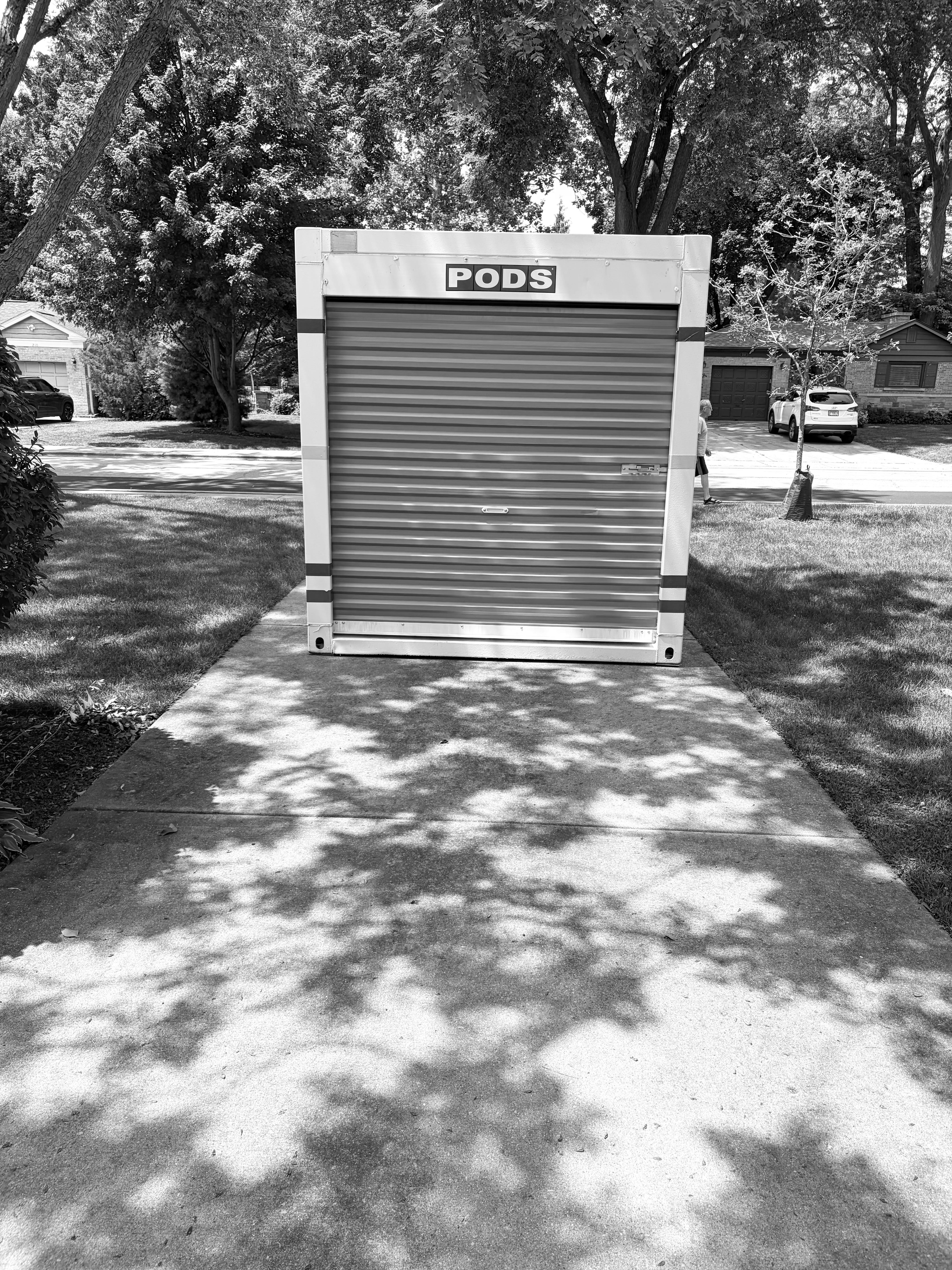
I’m moving out West, and friends, neighbors, and coffee shop acquaintances keep asking me why I’m leaving Illinois.
I’m leaving because I NEED MORE NATURE!
Not domesticated nature—not hedges trimmed into cubes, not fields marked for yardage, not chihuahuas in winter booties. Wild nature. Wilderness.
I need at least one big, Swallow-Me-Whole outback nearby, a place that can kill me—as God intended.
I want to be able to go out for a hike in the morning, and if I don’t come home in the evening, they have to send the helicopters—Search-and-Rescue grid teams, Human Remains Detection Dogs, and tracking software designed to locate wandering seniors—all of it.
I don’t want to die, I just want death nearby to remind me I’m alive, like the slave whose job was to whisper in the ear of Roman generals, “Remember Homie, you’re only a man; remember, you must die.”
Otherwise I get to thinking I’m merely a disembodied soul, which is almost as bad as a soulless body. When I look in the mirror I don’t want to see a dead-eyed zombie or a fool in paradise.
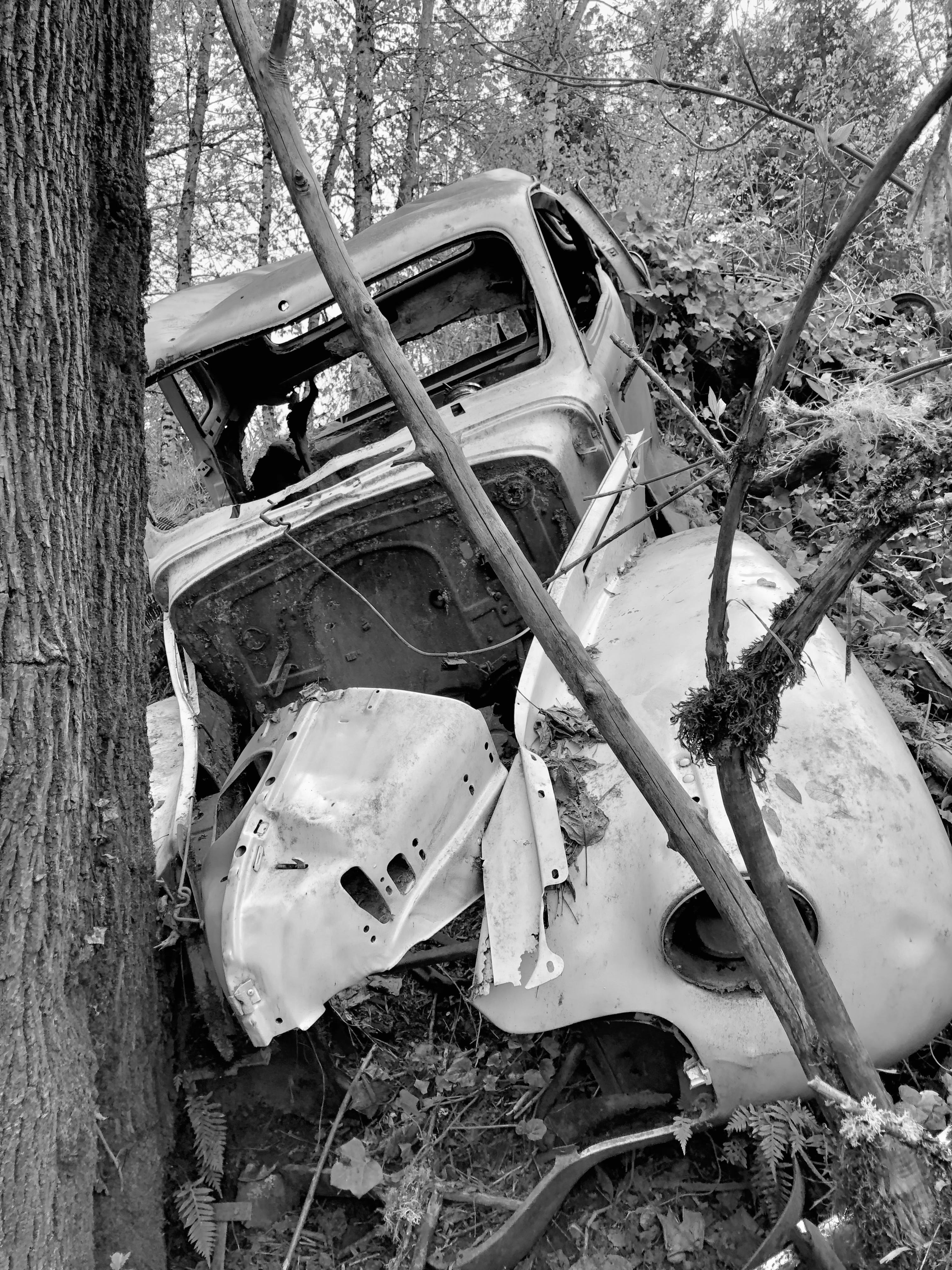
Illinois is an over-fortified castle; it’s too safe. I want to sleep outside the castle walls, where I can hear the Dragon snore.
If I go for a walk here, I move through a labyrinth of asphalt streets, manicured lawns, and cardboard houses. It feels like I’m a lab rat running a maze, hoping my wife has a a bit of cheese for me when I find my way home.
And beyond my neighborhood?
Roads, cars, strip malls—and more subdivisions. Subdivision beyond subdivision beyond subdivision, ad infinitum—an Eternal City of safety.
I can, of course, drive over to one of our forest preserves and walk the gravel paths, but I always get stuck behind some old Korean lady taking her constitutional in Hokas and listening to 70’s K-Pop on her Air Pods.
It’s very nice, but it’s a nursing home.
Like a nursing home, the staff gaslights its residents into thinking the porridge is a T-bone. They call a drainage ditch a “creek,” and I’m supposed to imagine trout—like a good neighbor.
Sorry, but if I can’t swim in it, it’s a retention pond, not a “lake.”
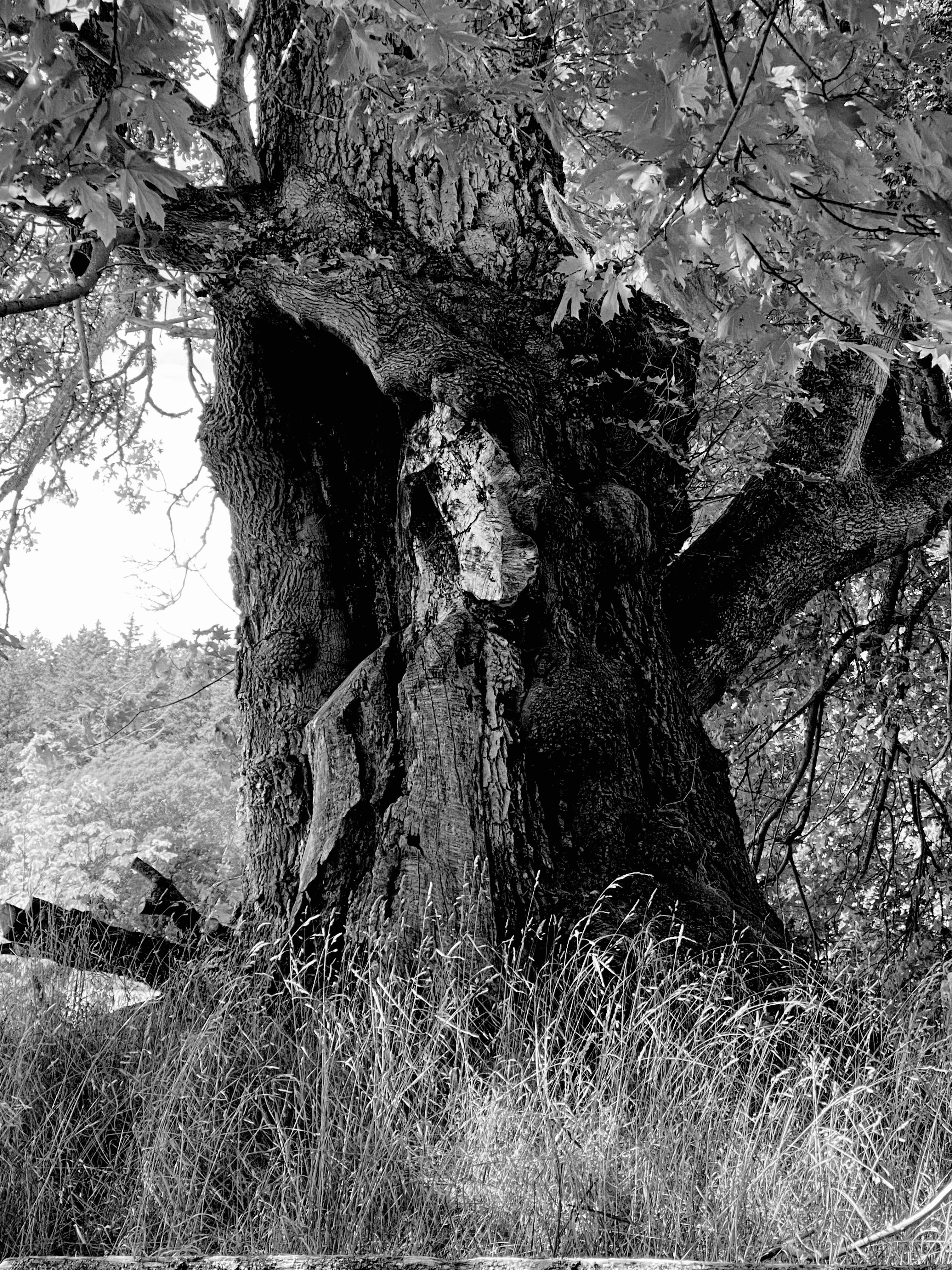
And don’t get me started about how Illinois treats its trees.
Within the last two years our Parks Department has chopped down the two biggest, most beautiful trees in my neighborhood.
One was a Weeping Willow, a tremendous old matriarch with one arm reaching out over the street to create a beautiful tunnel under her long branchlets. She broke one too many water pipes searching for water, and they terminated her.
The other was a Poplar, a hundred feet tall. Even on the cloudiest days, the patchwork of its bark—the silver grays, chalky whites, and olive greens—looked like a play of shadows and light. At the base of that trunk I always felt dappled.
The Park Department cut her down to make room for a climbing wall—with Polyurethane Holds, Auto-Belay Devices, and Impact-Absorbing Matting. I told the neighbors we should have kept the tree and offered tree-climbing camps for kids; they looked at me like I was the Lorax.
We treat our old trees like we treat our grandmothers in the nursing homes who persist in remaining inconveniently alive, mucking up our mad efficiency.
But I want old trees—beautiful twisted crones who look at me through the knotty eyes of time. I want a tree with at least one limb heavy enough to crush me—kaboom! on my head like a rude truth.
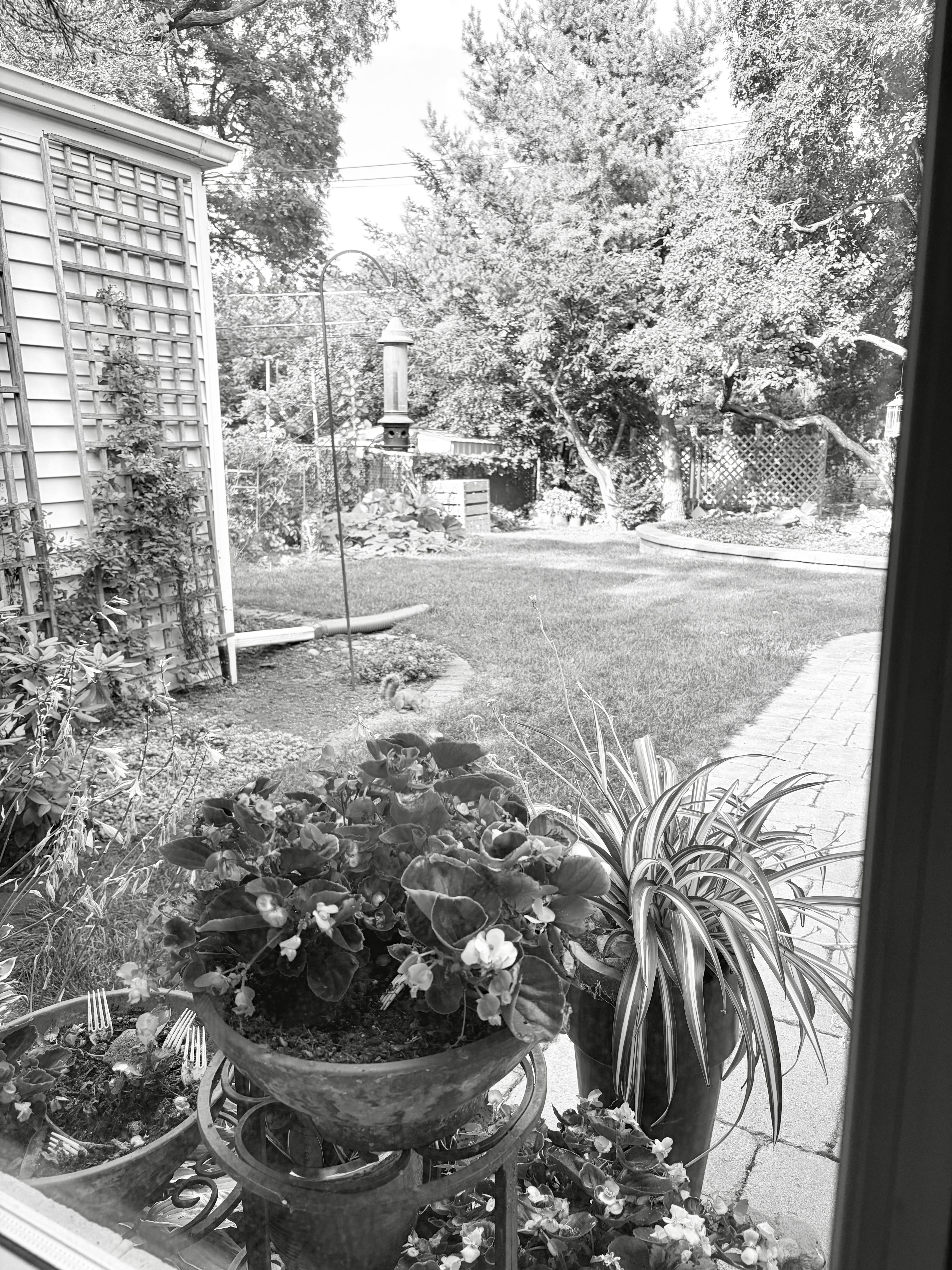
Don’t get me wrong. I’m going to miss Illinois—especially our backyard.
For 27 years, we ran the best watering hole in town. It was the hottest ticket, the place to see and be seen, the “It” spot among the local non-human citizens.
Our bird feeder was the talk of the bluejays; our compost was the dive bar of the rattiest of raccoons. Skunk sprayed in our bushes; foxes frolicked on our grass, robins speared worms through our sod.
If you want to know just how wild suburban squirrels can be, just try tending to their youngsters.
I once took in two kits whose mother had been run over by a car. I locked the two little devils in a cage until I could get them to a wildlife rehabilitator. They shredded their bedding, threw their food, shat their shit everywhere—like teenagers.
The wild, in short, is always at our doorstep—even in Illinois.
But I want more of it. I want it bigger and badder—and I don’t want to have to go searching for it in the heart of a juvenile squirrel.
A whopping sixty percent of Illinois is plowed under for corn and soybeans. Only .09% of Illinois land is designated as federal wilderness; it ranks 38th out of the 50 states.
That just ain’t enough.
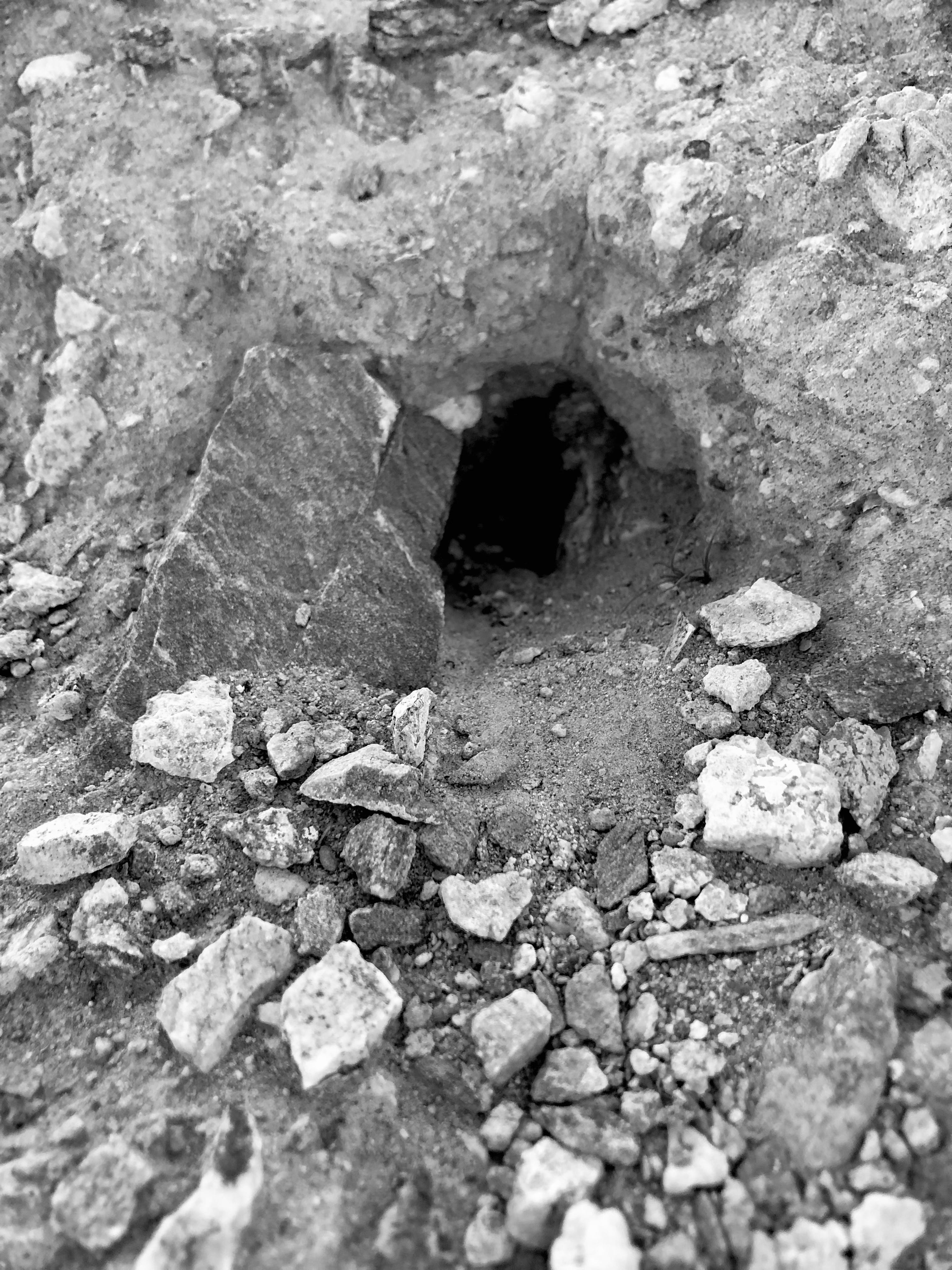
At my age, it’s hard to have too many illusions about leaving my home in the Prairie State.
I’ve travelled all over the West, and I’ve lived there before—in Idaho, Oregon, Arizona. The West has all the overdevelopment I’m trying to escape, and my migration only makes it worse.
I know it’s still America.
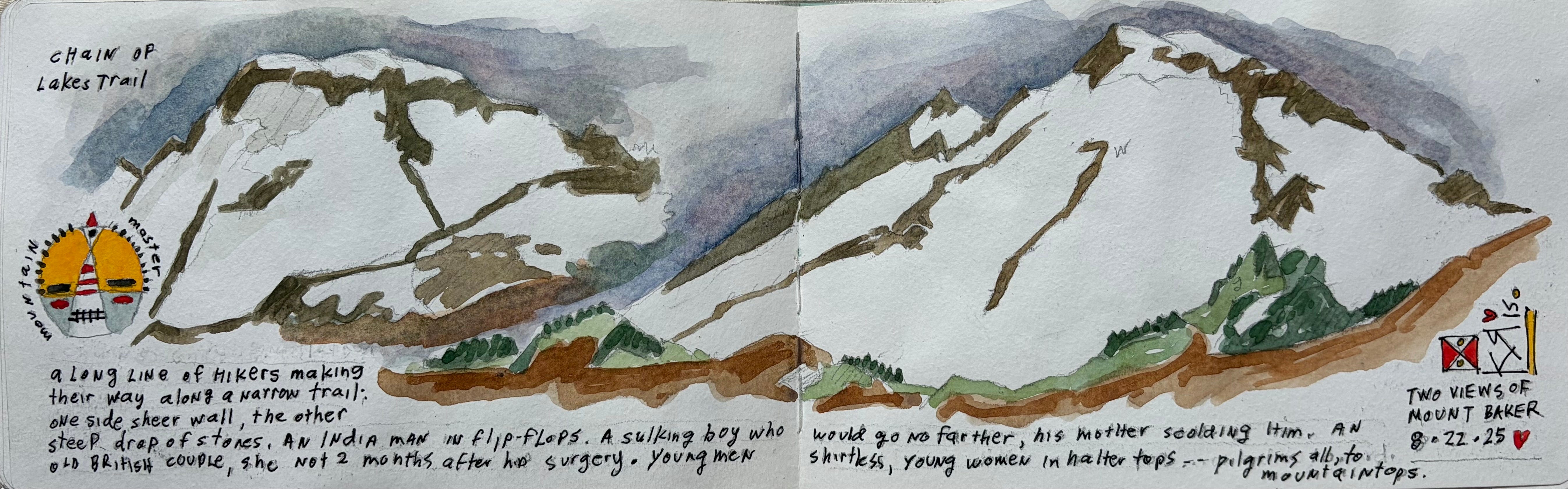
But if I move to Bellingham, Washington—where I will probably end up—I’ll have an hour’s drive to Mount Baker. In 1998 Baker received 95 feet of snow, the record for the most snowfall ever recorded in a single winter season—anywhere.
That’s wilderness enough to be buried in.
I want a beast like that in my neighborhood. I want its high-country trails and wildflowers.
I want its rivers, its rapids, its waterfalls, and its deep blue, freezing-cold, crystal-clear mountain lakes.
I want animal spirits at my window—scat of mountain lion, bear-sign.
Safe travels, Cris! Us wild things left in Illinois will miss you guys!
"Go WEST, old man!"